Key Takeaways
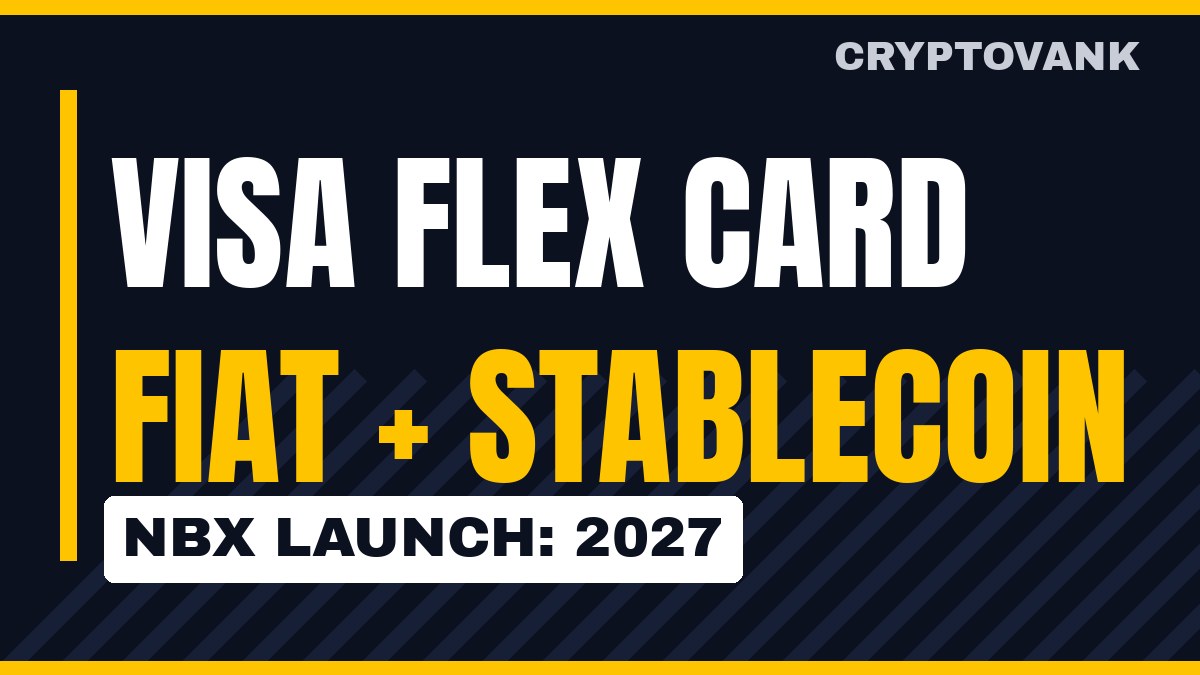
- Visa, NBX, Tieto Banktech and IDT Finance announced on Nov. 26 a Visa Flex Card that lets one card spend from either a traditional-currency or a supported stablecoin balance.
- Launch is expected in 2027 as a debit card in Norway, Sweden, Denmark, Finland and Germany, with Poland later.
- NBX holds a MiCA CASP licence and an EMI licence, and issues the USDM dollar stablecoin on Cardano in the EEA.
Visa wants stablecoins to feel like any other balance in your wallet. On Nov. 26, Visa, Norwegian Block Exchange (NBX), Tieto Banktech and IDT Finance announced plans for a Visa Flex Card that lets eligible NBX customers choose whether a purchase is paid from a local-currency balance or a supported stablecoin balance, all on one card, according to Visa’s press release.
The card is expected in 2027. Visa (NYSE: V) shares are not the story here; the product design is. Below we explain how it works, who can get it, and how it compares with stablecoin cards already on the market.
What is the NBX Visa Flex Card?
It is a single card built on Visa Flexible Credential, a Visa technology that attaches several funding sources to one card number. Cardholders set preferences for which balance pays for what.
Visa’s example: use a local-currency balance for everyday purchases and an eligible U.S. dollar balance when paying in dollars. That “may also reduce the need for currency conversions,” the release says.
NBX also plans to add more funding sources over time, including traditional credit, on the same credential. So the card could eventually switch between krone, a dollar stablecoin and a credit line without a second card.
| Detail | NBX Visa Flex Card |
|---|---|
| Announced | Nov. 26, 2026 |
| Expected launch | 2027 |
| Initial function | Debit |
| Launch countries | Norway, Sweden, Denmark, Finland, Germany |
| Planned expansion | Poland (future date) |
| Balances | Traditional currency + supported stablecoins |
| Future add-ons | Traditional credit on the same credential |
| Processor | Tieto Banktech |
| Issuer / BIN sponsor | IDT Finance (Justcards Europe Ltd, Malta) |
Who is NBX and which stablecoin does it issue?
NBX is a Norwegian digital-asset platform regulated by Finanstilsynet, Norway’s financial supervisor, and listed on Euronext Growth Oslo. Visa’s release says it holds a MiCA CASP licence and an EMI licence.
NBX issues USDM, a U.S. dollar-backed stablecoin on the Cardano blockchain, in the European Economic Area. Outside the EEA, USDM is issued separately by Moneta Digital LLC. Cardano (ADA-USD) traded at $0.1525 at 09:55 UTC Friday, per CoinGecko.
The Flex card builds on an earlier deal. In September, Tieto announced that NBX had signed for its card-issuing services, starting with an initial Visa prepaid card and later supporting Visa Flex functionality.
How is a Flex card different from a normal crypto card?
Most crypto cards today use one of two models. Either the card spends a single stablecoin balance, or it sells crypto for fiat at the moment you pay. Both keep crypto and fiat in separate pots.
The Flex model puts several pots behind one card and lets you set rules. For a Norwegian user, that could mean groceries come out of krone and a U.S. online order comes out of a dollar stablecoin, avoiding a krone-to-dollar conversion. Our guide to how crypto cards work covers the older models.
How does it compare with other stablecoin cards?
The NBX card is not live yet and has not published fees or rewards, so a like-for-like cost comparison is not possible. Here is how its structure lines up with three stablecoin cards that are live today.
| Card | Status | Where | Spends from | Rewards (published) |
|---|---|---|---|---|
| NBX Visa Flex | Expected 2027 | NO, SE, DK, FI, DE | Fiat or stablecoin balance, user-selected | Not announced |
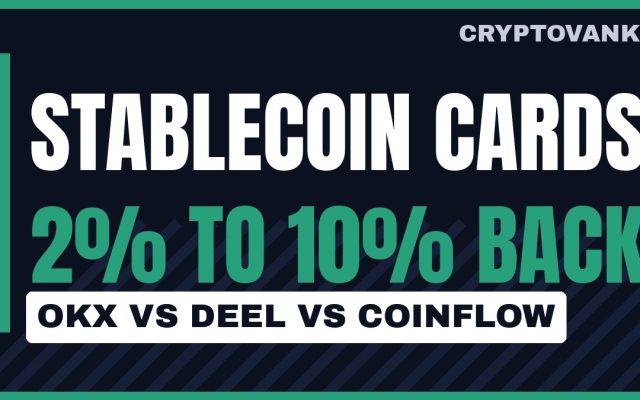
| OKX Card (Mastercard) | Live (U.S.) | Most U.S. states; not NY, MA, PR and some territories | USDC, USDT, USDG in OKX Pay | 2%–10% on USDG with Autopay; max $18,000/yr |
| Deel Card (Visa) | Live, virtual first | 26 markets in LatAm, Caribbean, Africa | DLUSD balance | Up to 1.5%; Premium $99 one-time |
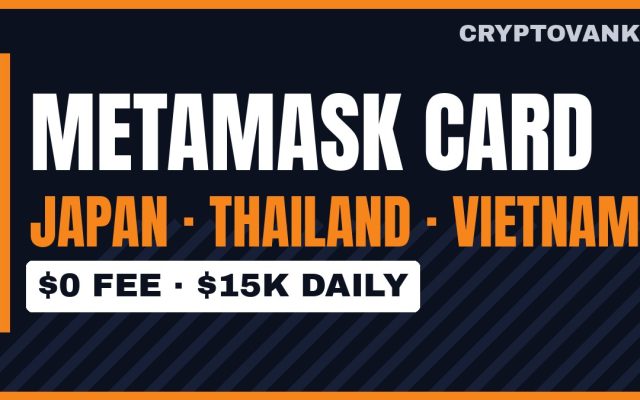
| MetaMask Card (Mastercard) | Live | Japan, Thailand, Vietnam (new Nov. 25) | mUSD only in those markets | —; 1% fee outside home country (Japan) |
The OKX figures come from OKX’s U.S. launch page; the Deel terms from Deel’s Nov. 24 announcement; MetaMask details from our MetaMask Card review.
Is the NBX Flex card regulated under MiCA?
NBX itself operates under MiCA as a crypto-asset service provider and as an e-money institution, per Visa’s release. The card is issued by IDT Finance, which is authorized by the Malta Financial Services Authority and issues under licence from Visa Europe.
That matters for consumer protection. A MiCA-compliant e-money token like USDM has redemption and reserve rules that unregulated stablecoins do not. Our MiCA explainer covers the details.
What are the open questions?
Three things are missing from the announcement: fees, foreign-exchange spreads and rewards. Those will decide whether the card beats a normal Nordic bank card for most people.
Which stablecoins count as “supported” is also unclear. NBX’s own USDM is the obvious candidate, but the release does not list tokens. And while Visa says the card “may” reduce conversions, the benefit only applies if you already hold a balance in the currency you are paying in.
Our take: who should care?
Freelancers and businesses in the Nordics and Germany that get paid in dollars are the natural users. Holding a dollar stablecoin and spending it directly on dollar invoices could save a round trip through a bank’s FX desk.
For everyone else, the importance is structural. If Visa Flex works for NBX, other European issuers can plug stablecoin balances into existing cards without building a separate crypto card. That would make stablecoins one setting in a banking app rather than a separate product.
What to Watch Next
- 2027: NBX Visa Flex Card launch in Norway, Sweden, Denmark, Finland and Germany.
- Before launch: published fees, FX margins, rewards and the list of supported stablecoins.
- Later: Poland rollout and a credit funding option on the same card.
- Industry: whether other EU issuers adopt Visa Flexible Credential for stablecoin balances.
Based on Visa’s Nov. 26, 2026 release and Tieto’s Sept. 23, 2026 release. Card terms for other products checked Nov. 27, 2026 and may change. Not financial advice.